
ABES Engineering College improves campus Wi-Fi user experience by 30% with RUCKUS
As digital learning, online research, and Bring‑Your‑Own‑Device (BYOD) usage increased across campus, ABESEC required a fast, reliable, and scalable wireless network to support academic and administrative needs without compromising user experience or security.
Industry:
Higher Education
Products:
RUCKUS® WiFi 6 Access Points (R720, R650, R350), ICX® 7650 & 7150 Switches, Virtual SmartZone™
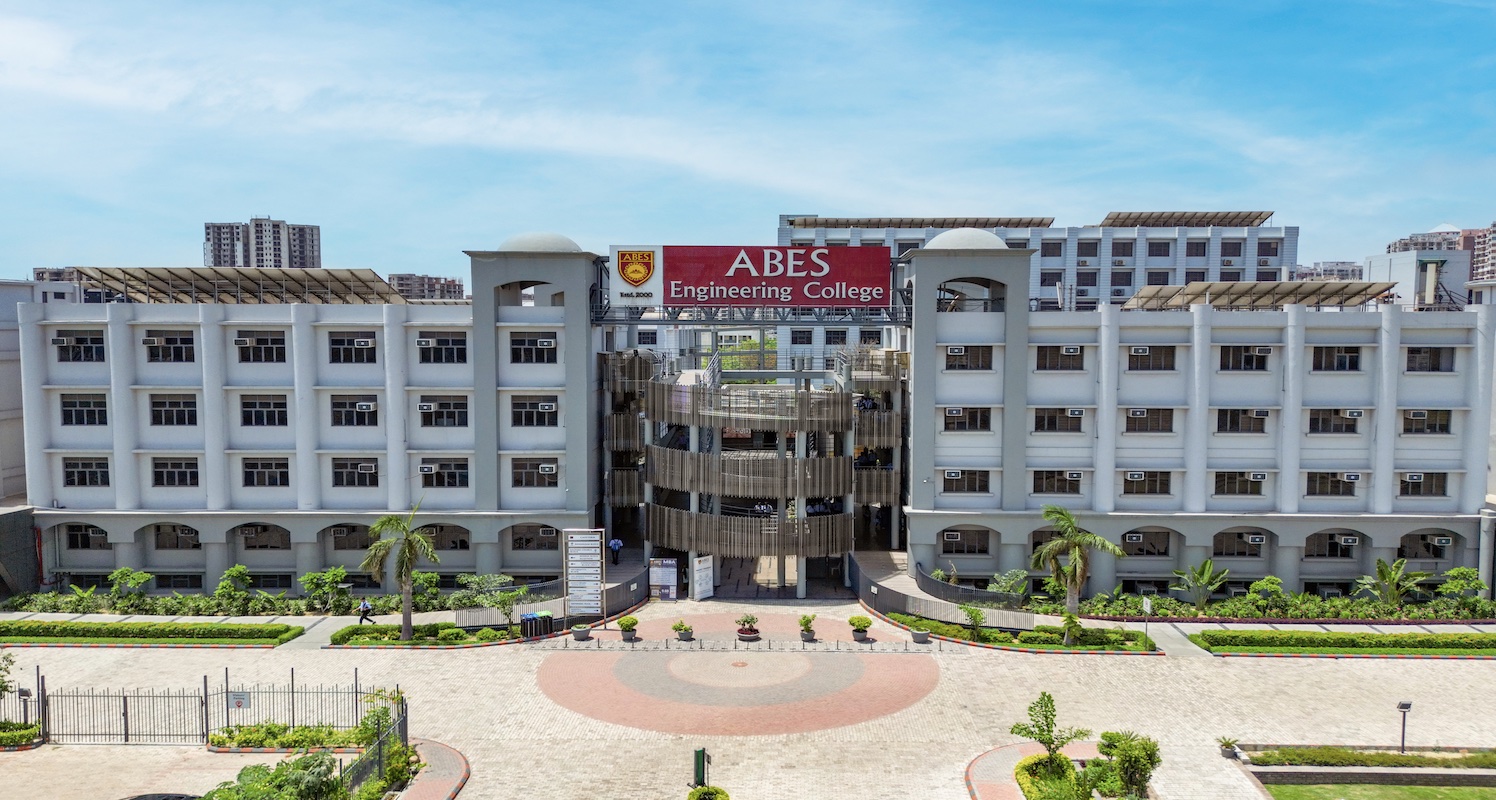
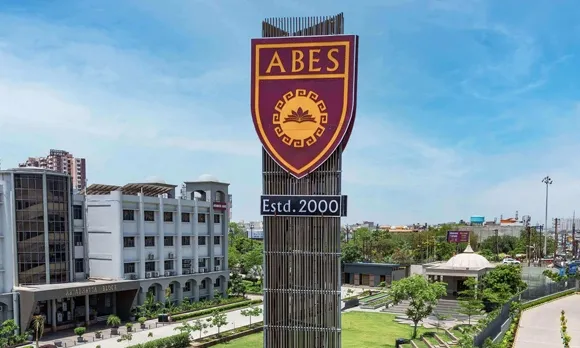
ABES Engineering College (ABESEC), established in 2000 in Ghaziabad, Uttar Pradesh, supports more than 8,000 students, faculty, and staff across a 17‑acre campus. The institution offers undergraduate and postgraduate programs including B.Tech, M.Tech, MCA, MBA, and BCA, supported by six academic buildings, hostels, a central library, and sports facilities.
The Challenge: Scaling reliable campus Wi-Fi as device density grows
Since its inception, ABESEC has provided campus‑wide connectivity to enable students, faculty, and guests to access e‑learning platforms, stream educational content, download e‑books, and connect to online databases. However, as the campus expanded and the number of connected BYOD devices increased, the existing wireless infrastructure faced challenges related to capacity, coverage, and reliability.
High‑usage academic areas required better support for concurrent connections, while certain indoor and outdoor locations experienced coverage gaps due to architectural constraints. In parallel, managing and securing a growing mix of student‑owned and guest devices placed additional demands on the IT team. A scalable solution was required to support future growth without disrupting daily academic operations.
The Solution: Campus Wi-Fi 6 refresh with RUCKUS Networks
Having previously deployed RUCKUS Networks solutions, ABESEC was familiar with patented innovations such as BeamFlex+® smart antenna technology and ChannelFly®, which optimize signal quality and mitigate interference. To address current and future requirements, the institution upgraded its wireless infrastructure using RUCKUS WiFi 6 access points, including R720, R650, and R350 models, along with ICX® 7650 and 7150 switches.
The upgrade was fully backward compatible with the existing network, allowing new and legacy technologies to coexist. In high‑density academic areas, older access points were replaced with R650 indoor APs to improve throughput and support multiple simultaneous users. In locations affected by building materials or campus layout, indoor and outdoor access points were deployed to form a self‑forming, self‑healing mesh network, eliminating dead zones and improving coverage consistency.
Simplified Operations with Centralized Network Management
To manage the upgraded wired and wireless infrastructure, ABESEC deployed Virtual SmartZone™ as its network controller. This enabled centralized provisioning, configuration, monitoring, and optimization of both new and existing access points and switches.
Through a single webbased interface, the IT team gained visibility across the network—from the wireless edge to the core—while simplifying daytoday management tasks and troubleshooting. Virtual SmartZone also enabled dynamic RF optimization, helping reduce channel interference and improve average throughput per client. As a result, ABESEC can centrally manage more than 150 access points through a single pane of glass.
BuiltIn Security for Students, Staff, and Guests
Security and privacy were strengthened through RUCKUS Dynamic PreShared Keys™ (DPSK). This feature allows the institution to securely onboard students, staff, guests, and BYOD devices by assigning unique credentials to each user or device.
DPSK enables IT administrators to grant or revoke access at an individual level without impacting the wider network, while supporting both WPA2‑ and WPA3‑enabled devices. This approach eliminates the risks associated with shared passwords and improves overall network security.
“By upgrading our network with RUCKUS, we were able to boost bandwidth, support more devices concurrently and enhance deliver faster connectivity. Overall, the new RUCKUS APs helped us improve network user experience by 30% and reduce dark zones by 70%.”
ABES IT Team
Key Results: Measurable gains in performance and coverage
- 30% improvement in network user experience, driven by higher throughput and better RF performance
- 70% reduction in WiFi dark zones, improving coverage across academic and common areas
- 80+ concurrent clients per access point, supporting dense learning environments
- 150+ access points centrally managed, simplifying operations and scalability


