
Solving Connectivity Issues in Manufacturing and Warehousing
Whether it’s a vehicle manufacturing, a distribution center, or a cold storage facility, these environments present multiple challenges for wireless networks including extreme operating temperatures and high RF noise. Regardless of the challenges, the wireless network is critical to operations and must remain resilient through any environmental conditions.
For teams who keep these facilities running, every day brings new challenges. High ceilings make wireless coverage tricky. Extreme cold can push technology to its limits. In sprawling warehouses, forklifts weave through aisles. Workers scan barcodes as goods move nonstop, and every second depends on a stable connection. If the wireless network falters, orders stall, production slows, and the entire operation can grind to a halt.
Harsh Conditions in Industrial Environments
The most common and challenging conditions impacting operations:
- Extreme Cold & Humidity: Cold storage facilities test the limits of both people and technology. Electronics must withstand temperatures that would shut down ordinary office equipment. Condigel, for example, faced subzero freezing conditions. By implementing redundant wired and wireless infrastructure, they achieved near-zero downtime and seamless operations.
- High Ceilings & Vertical Movement: Warehouses and logistics centers aren’t just wide; they’re tall. Reliable wireless coverage from floor to ceiling is a unique challenge. Bronkens solved this with advanced RF planning and access point placement, ensuring connectivity from the loading dock to the top shelf.
- Electro-mechanical Challenges: Vibration, electromagnetic interference, and legacy infrastructure add further complexity, demanding ruggedized solutions and careful design to maintain performance. Mahou San Miguel addressed these issues by unifying its network to deliver resilient, high-performance connectivity across metal-heavy environments where interference and structural obstacles are common.
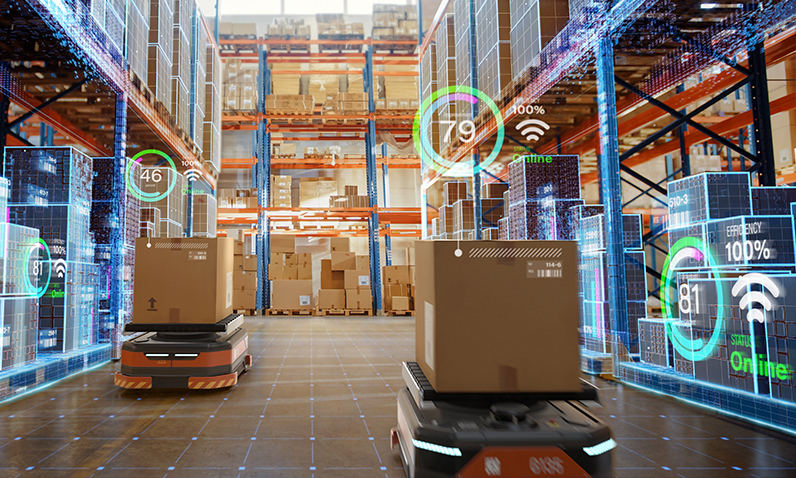
- Large, Dynamic Spaces: Layouts change, inventory moves, and vehicles crisscross the floor. The network must adapt in real time, supporting everything from handheld scanners to autonomous guided vehicles. Northwest Harvest shows how a large distribution center delivered seamless coverage and dependable connectivity across diverse zones to keep operations moving.
Why Reliability Is Essential and How It Affects Connectivity
Downtime isn’t just an inconvenience; it’s a business risk. A single network failure in a cold storage facility can halt operations and put inventory at risk. In a vehicle manufacturing environment, lost connectivity can mean lost production time and safety concerns. In logistics, even a brief outage can cascade into missed shipments and unhappy customers.
We’ve seen this firsthand. At Condigel, a cold storage and frozen-food logistics facility with demanding cold and wet environments, robust network design was essential to keep operations running smoothly. In the Bronkens warehouse, high ceilings and dense racking required a tailored wireless approach to ensure every device stayed connected, no matter where it moved.
These aren’t isolated stories. Across manufacturing, warehousing, and logistics, the need for resilient, reliable connectivity is universal.
How Leading Industrial Facilities Build Reliable Connectivity
So, what does it take to keep these environments connected?
- Support for Legacy and Modern Systems: The best solutions bridge the gap between old and new, allowing facilities to modernize at their own pace.
- Redundancy by Design: Dual-homing, link aggregation, and backup power supplies eliminate single points of failure, so one problem doesn’t bring everything down.
- Tailored Wireless Solutions: 3D RF planning, mesh failover, and seamless roaming protocols ensure coverage in every corner, from the ground floor to the highest rack.
- Unified Management & Visibility: Centralized platforms and AI-driven monitoring help teams spot issues before they become problems, reducing downtime and maintenance headaches.
Reduce Downtime and Cut OpEx with Reliable Networks
Downtime isn’t just lost time, it’s lost money. Every stalled machine, disconnected application, or delayed workflow drives up operational expenses (OpEx) and erodes efficiency. Margins shrink, schedules slip, and resources are strained.
Reliable connectivity is the key to controlling operational costs. It keeps production moving, applications communicating, and efficiency high, so you can protect throughput and maintain performance no matter what the environment throws your way.
Designing Resilient Networks for Maximum Uptime
Harsh environments demand more from your network. Design for resilience to keep operations running under any conditions.
If you’re facing these challenges, you’re not alone. There are proven strategies and technologies that can help. Don’t let network challenges hold back your operations.
Reach out to learn how leading Industrial organizations are building reliability into every layer of their network infrastructure.