
Christ University Delivers High-Density, Secure Wi-Fi Across Six Campuses
Industry:
Higher Education
Products:
SmartZone 144 controllers, Virtual SmartZone, R750, R650, R550, R350, R310, R320, R510, R610, T350, T310, R500, R600, H510, H320
(APs) per area
in Bengaluru, Pune and NCR Delhi
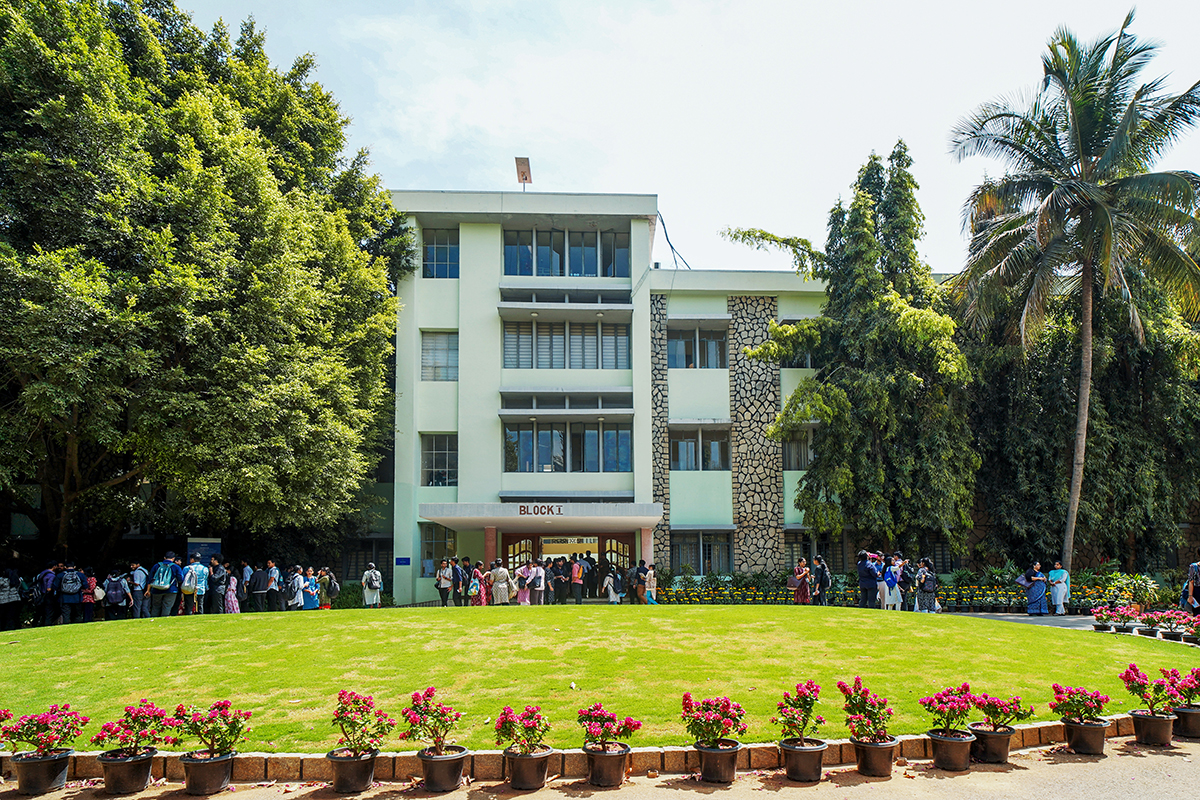
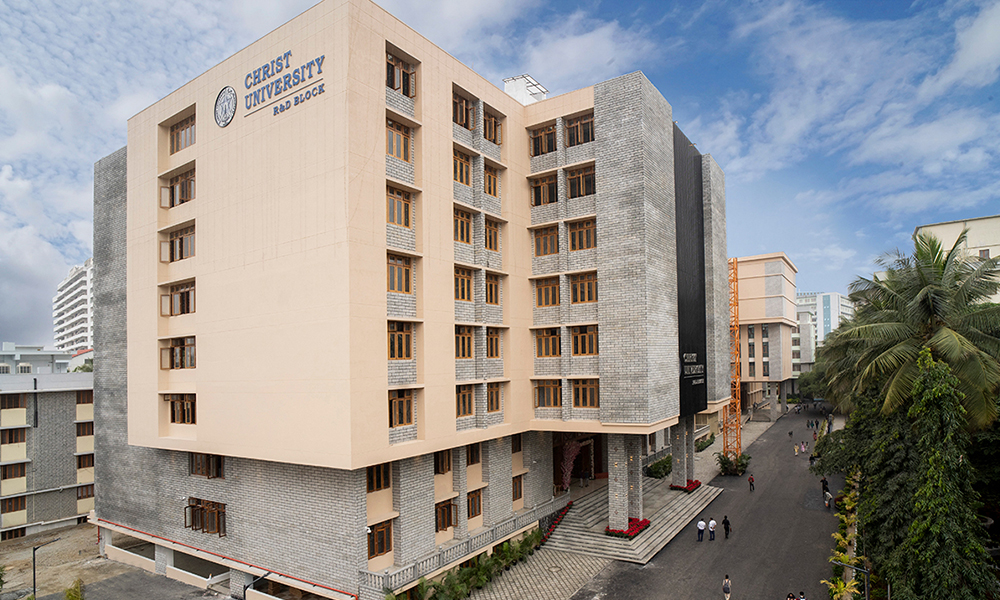
India is a very large and fast-growing education market with a population of about 1.47 billion in 2026.[1] Classrooms often run at high density in many Indian cities because the higher education system serves about 4.33 crore (43.3 million) students.[2] Large lecture halls are common in Indian higher education, and some facilities host 100 to 800 students in a single session.[3] In this context, Christ University is a multi-campus institution with six campuses across Bengaluru, Pune and NCR Delhi, serving over 40,000 students across programs, which creates strong demand for stable and secure campus Wi-Fi® during peak hours.[4]
The Challenge: Support high-density classrooms with reliable, secure Wi-Fi
Christ University began its partnership with RUCKUS® in 2010 after evaluating multiple OEM options that did not meet classroom needs for high density. The legacy network had a mix of old and new APs, patchy coverage (with some no‑Wi‑Fi areas), and congestion in large rooms during peak sessions. Inconsistent configurations made roaming and load balancing unreliable, and shared passwords created security and support overhead.
The brief was clear: Unify the network on a single standard, deliver consistent coverage in all teaching and common areas, and handle many concurrent users in big rooms without slowdowns. The team also needed simple, secure onboarding for authorized users, better central visibility for faster troubleshooting, and a phase wise rollout across six campuses with minimal disruption to classes.
The Solution: Campus-wide upgrade with SmartZone and high-density RUCKUS APs
Christ University standardized on RUCKUS and planned a phase wise revamp across six campuses. The design used RUCKUS SmartZone™ 144 controllers at five campuses and a Virtual SmartZone at one campus to give central policy, monitoring and change control. Best practices concerning high density were applied, including site surveys, AP placement by room size and usage, channel planning and tuning. A single SSID strategy with consistent profiles replaced mixed setups. Dynamic Pre‑Shared Keys (Dynamic PSK) enabled simple, secure onboarding so only authorized users could connect. The access layer used a right‑sized mix of AP models for lecture halls, labs, corridors and outdoor areas, and it kept the network ready for Wi‑Fi 6 and Wi‑Fi 7 devices.
To reduce disruption, upgrades ran in planned windows around class schedules. Firmware, configuration templates and acceptance tests were managed from SmartZone for faster rollouts and easy rollback if needed. Intersect, our trusted partner, coordinated field surveys, installation and cutover; trained the campus IT team; and provided support for tickets and performance tuning. This approach delivered consistent coverage, higher capacity in large rooms, stronger security, and simpler operations, while staying within annual budgets through the phase wise plan.
“We initially faced mixed and outdated Wi-Fi, and some areas had no coverage. Since 2010, RUCKUS helped us standardize the network, right-size access points for high-density classrooms, and enable secure access with Dynamic PSK. With phase wise upgrades across campuses, our unplanned network downtime has reduced by about 40%, and we have kept costs in control with fewer APs per area. The experience for students and faculty during peak hours is now stable and reliable.”
Manoj T Thomas, Manager Operations (IT), Christ University
The Results: Stable, high-capacity Wi-Fi for teaching and learning
- 40% reduction in downtime due to minimal failure rates and stable infrastructure.
- Lower CapEx because fewer APs were needed to cover high-density spaces effectively.
- Reliable high-density performance in classrooms, labs and halls that improved daily digital experience for students and faculty.
- Improved security with Dynamic PSK so only authorized users could connect.
- Future-ready foundation that supports growth and higher device counts across all campuses.
Footnotes
[1] India population 2026 estimates based on UN-derived trackers: Worldometer, “India Population (2026)” and StatisticsTimes, “India population 2026.”
[2] India higher education enrollment: Ministry of Education, AISHE 2021-22 report and Press Information Bureau release on AISHE 2021-22.
[3] Large lecture hall capacities: IIT Hyderabad Lecture Hall Complex case (capacity range 75 to 800) and guidance on managing large classes (Thapar Institute note).
[4] Christ University footprint and size: Christ University campus list page and Times Higher Education profile noting more than 40,000 students.


