

Where delaying Wi‑Fi 7 shows up in reliability, recovery, and risk
Legacy Wi-Fi infrastructure is falling behind. As device density increases and wireless-first operations become standard, AI-driven applications require low-latency connectivity.
Organizations operating older networks face a widening performance gap. Deferring a Wi-Fi 7 upgrade doesn't eliminate costs. It shifts spending into daily operations, where reactive troubleshooting, longer resolution cycles and IT overhead accumulate.
The risks extend beyond performance. Aging access points nearing end-of-support receive fewer security updates, increasing vulnerabilities. Industry research estimates the average cost of an enterprise data breach at approximately $4.4 million. Infrastructure lifecycle directly impacts security posture and overall cost.
Wi-Fi 7 addresses performance, operational efficiency and security within a single upgrade cycle. Organizations that plan ahead retain control over scope, timing and budget.
Access this E-book to quantify the cost of legacy Wi-Fi and define a modernization path that supports your requirements.
How organizations are modernizing with RUCKUS Wi-Fi 7

Circuit of the Americas
Powers Wi‑Fi 7 to keep 500,000 fans connected across 700 events each year.
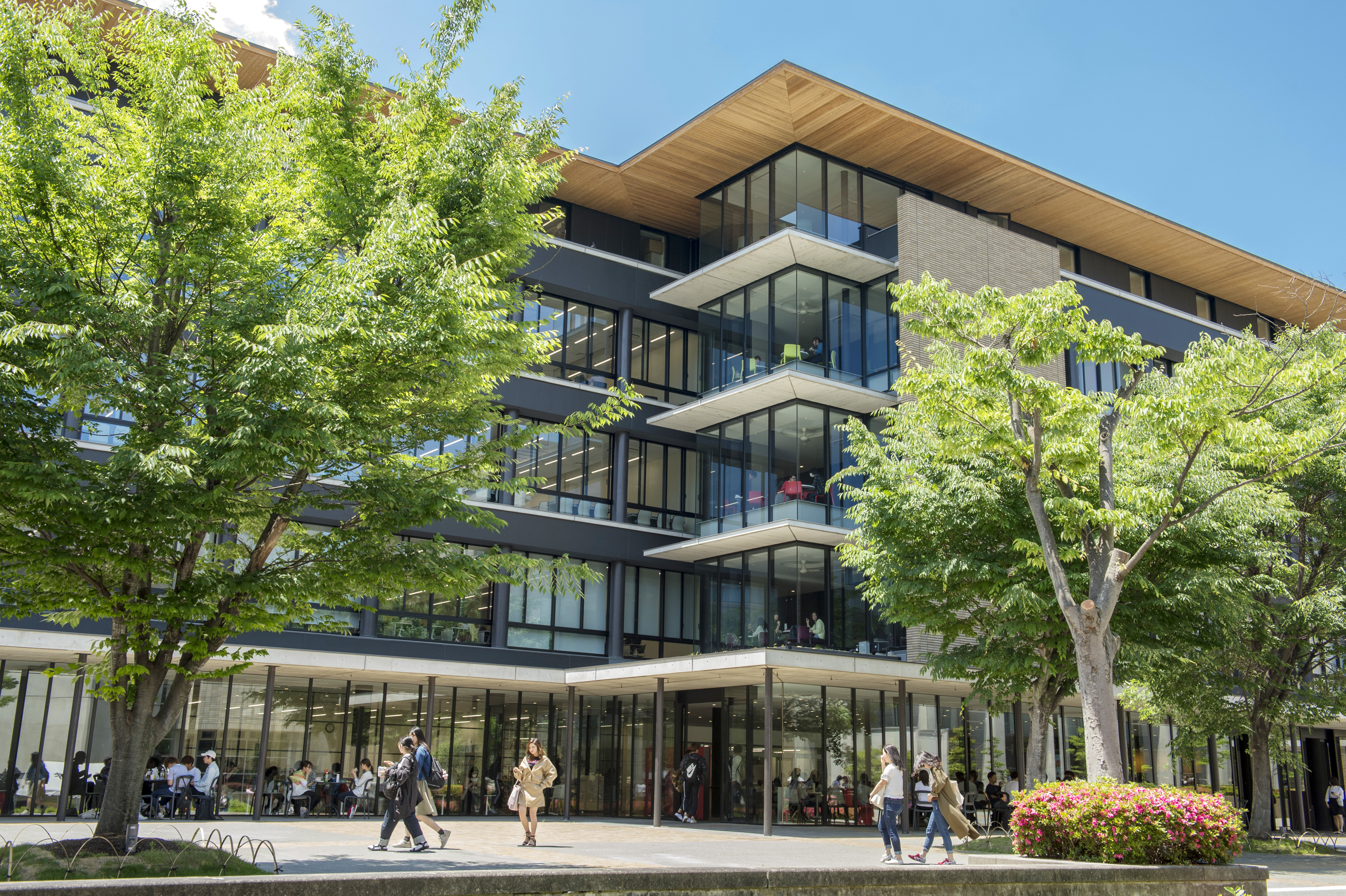
Otani University Group
Deploys Japan’s first Wi‑Fi 7 campus network supporting 300‑seat lecture halls.

St. Catherine's, Bramley
Transforms a 140‑year‑old institution into the UK’s first fully Wi‑Fi 7 campus with cloud‑managed networking.

TGR Haas F1 Team
Delivers Wi‑Fi 7 connectivity to support trackside operations across a 24‑race global Formula 1 season.